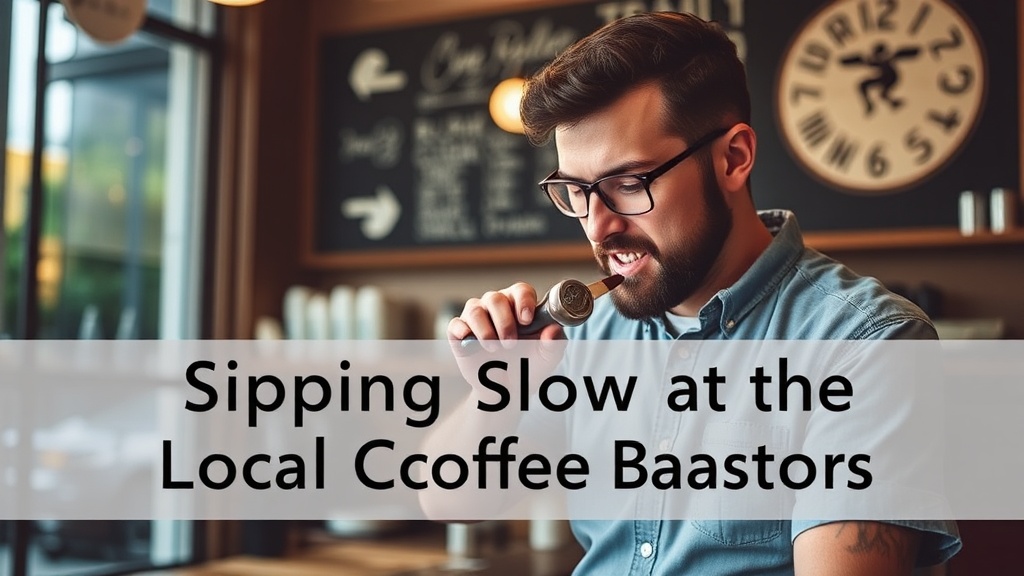
Sipping Slow at the Local Coffee Roasters

A mountain biker pulls into the parking lot of a local shop, dust still coating their shins, and realizes they’ve run out of caffeine before the afternoon descent. They aren't looking for a complicated menu or a seat with a view; they just need a high-quality brew that hits the spot. This post looks at the current state of coffee culture in Cumberland and the Comox Valley, specifically focusing on the local roasters that prioritize bean quality and small-batch techniques. Understanding the difference between a grocery store roast and a locally roasted bag can change your morning routine entirely.
Cumberland isn't a massive metropolis, but our coffee scene has grown alongside the mountain biking and hiking crowds. We've moved past the era of basic drip coffee and into a period where people actually care about the origin of their beans. You'll find everything from light roasts that taste like citrus to heavy, dark ro-asts that can stand up to a thick layer of milk.
Where Can I Find the Best Coffee in Cumberland?
The best coffee in Cumberland is found at small-batch shops and local cafes that source high-altitude beans from the Comox Valley and beyond.
If you're wandering around the village, you'll notice a pattern. Most of the spots aren't massive chains. They are small, often tucked away, and deeply connected to the community. Whether you're grabbing a quick espresso before hitting the trails or sitting down with a laptop, the quality remains consistent. I've noticed that the best spots often feature rotating seasonal blends. One week you might be drinking a nutty Brazilian roast, and the next, a bright Ethiopian bean. It keeps things interesting.
One of the standout features of our local shops is the emphasis on single-origin beans. This means the coffee comes from a specific farm or a single region, rather than a generic blend. This is a huge distinction for anyone who actually cares about the flavor profile. If you want to learn more about how coffee is actually processed and why it matters, the Wikipedia page on coffee production offers a deep dive into the science of the bean.
The Roaster's Profile
Local roasters often use much smaller batches than industrial manufacturers. This allows for much more precision. A small-batch roaster can watch the "first crack" of the bean in real-time, adjusting the temperature to ensure the roast isn't bitter or overly acidic. It’s a delicate balance. One degree too high and you've burned the potential out of the bean; one degree too low and it stays sour.
The local scene is heavily influenced by the outdoor lifestyle here. You'll see people drinking pour-overs while checking their gear for the day. It's a slow, intentional process. It’s the opposite of the "grab and go" culture found in larger cities. Here, the coffee is part of the ritual of getting outside.
How Much Does a Bag of Local Coffee Cost?
A bag of premium, locally roasted coffee typically costs between $18 and $26 depending on the origin and the roast profile.
It’s easy to look at the price tag and think it's steep, especially when you can grab a cheap tin of Folgers at the grocery store. But you're paying for the labor and the quality of the raw materials. When you buy a bag from a local roaster in the Comox Valley, you're paying for the expertise required to bring that bean to its peak flavor. It's an investment in your morning ritual.
Here is a general breakdown of what you can expect to pay for different types of coffee products in our area:
| Product Type | Typical Price Range (CAD) | Best For |
|---|---|---|
| Single-Origin Bag (250g) | $18 - $22 | Pour-overs and discerning enthusiasts |
| House Blend (500g) | $22 - $28 | Daily drinking and espresso-based drinks |
| Single Cup Latte/Cappuccino | $5 - $7 | Quick caffeine hits during a hike or ride |
| Cold Brew Concentrate | $15 - $20 | Summer days and long-term storage |
That said, if you are on a budget, many local cafes offer a "house drip" that is much more affordable. It’s a solid, reliable option that doesn't require a PhD in flavor profiles to enjoy. It's just good, hot coffee.
What Makes Small-Batch Roasting Different?
Small-batch roasting focuses on precision and freshness, ensuring that the unique characteristics of the bean are preserved through controlled heat application.
The main difference is the control. Large-scale manufacturers often roast huge volumes at once, which can lead to inconsistencies. A batch might be slightly burnt on one side and under-developed on the other. Small-batch roasters in the Comox Valley tend to work with much smaller drum roasters. This allows them to monitor the thermal profile of every single roast. They can tweak the airflow and the gas heat to hit a very specific target.
This level of detail is why you'll notice different notes in your cup. You might taste hints of jasmine, chocolate, or even blueberry. These aren't just "flavors" added to the coffee; they are the natural characteristics of the bean itself. If the roaster does their job well, they highlight these notes rather than masking them with a heavy, dark roast.
I've often found that the most interesting coffee comes from lighter roasts. While many people in the area still love a dark, smoky roast, the newer generation of drinkers is leaning toward the lighter, more acidic side. It’s a bit of a learning curve, but once you get used to it, it's hard to go back to the bitter stuff. It's a bit like the difference between a heavy stout and a crisp lager.
Common Brewing Methods Used Locally
Depending on where you go, you'll see different gear on the counters. Each method changes the way the coffee tastes. If you're looking to upgrade your home setup, it's worth knowing the basics.
- The French Press: A classic immersion method. It produces a heavy, textured mouthfeel. It’s great for those who like a "strong" cup.
- The V60/Pour-Over: This is much cleaner and more precise. It highlights the acidity and subtle notes of the bean.
- The AeroPress: A favorite among travelers and hikers. It’s portable, durable, and can make a very concentrated, espresso-like brew.
- Espresso: The gold standard for speed and intensity. Most local cafes rely on high-end machines (like a La Marzocco) to get this right.
If you're planning on heading out for a long day of exploring, maybe finding the best secret tide pools, you might want to brew a batch of cold brew at home first. It’s much easier to carry in a reusable bottle than a hot latte.
It's worth noting that the quality of your water matters just as much as the beans. If you're brewing at home, using filtered water can make a massive difference. Most of the local roasters will tell you that if your water tastes "off," your coffee will too. It's a simple fix that yields huge results.
The local coffee scene is a testament to the community's appreciation for quality. Whether you're a local resident or just passing through for a weekend of mountain biking, taking the time to find a good roaster is always worth the effort. It's not just about the caffeine—it's about the craft.
The next time you see a bag of beans with a local label, take a second to look at the roast date. If it was roasted within the last two weeks, you're in for a treat. If it's been sitting on a shelf for months, you might want to keep looking. Quality is everything.